

The timeline

The evolution of the interior design

A Design Revolution: how industrial objects transformed Interior Design into a new expression of space.

  • 1950s

    In this decade, interior design began to move away from the opulence of previous periods. More functional forms emerged, and new materials were introduced.
    Tell me more

  • 1960s

    A period of great social transformation, influenced by pop art, youth movements, and the emergence of a new, more informal and liberated way of living the home. Tell me more

  • 1970s

    This decade witnessed even bolder experimentation in design, with materials such as plastic and glass, and bright colours reflecting an evolving society. Tell me more

  • 1980s

    Breaking conventions and blend of genres: this is how objects expressed themselves, with an aesthetic flair that concealed functionality and practicality. Tell me more

  • 1990s

    Design in the 1990s became increasingly functional and minimalist, with geometric forms, integrated tech, and a focus on efficiency and spatial awareness. Tell me more

The 1950s

The 1950s was a period of great creative energy, with inspiration arriving from across the Atlantic and from Europe. This era marked the introduction of mass-produced furniture, designed by professionals who combined functionality with a new aesthetic concept. Foam rubber, wicker, plastic, and vinyl became flexible and incredible materials, allowing designers to craft almost anything they imagined. These materials answered a society’s desire for fresh colors, a new lifestyle, and greater comfort at lower prices.

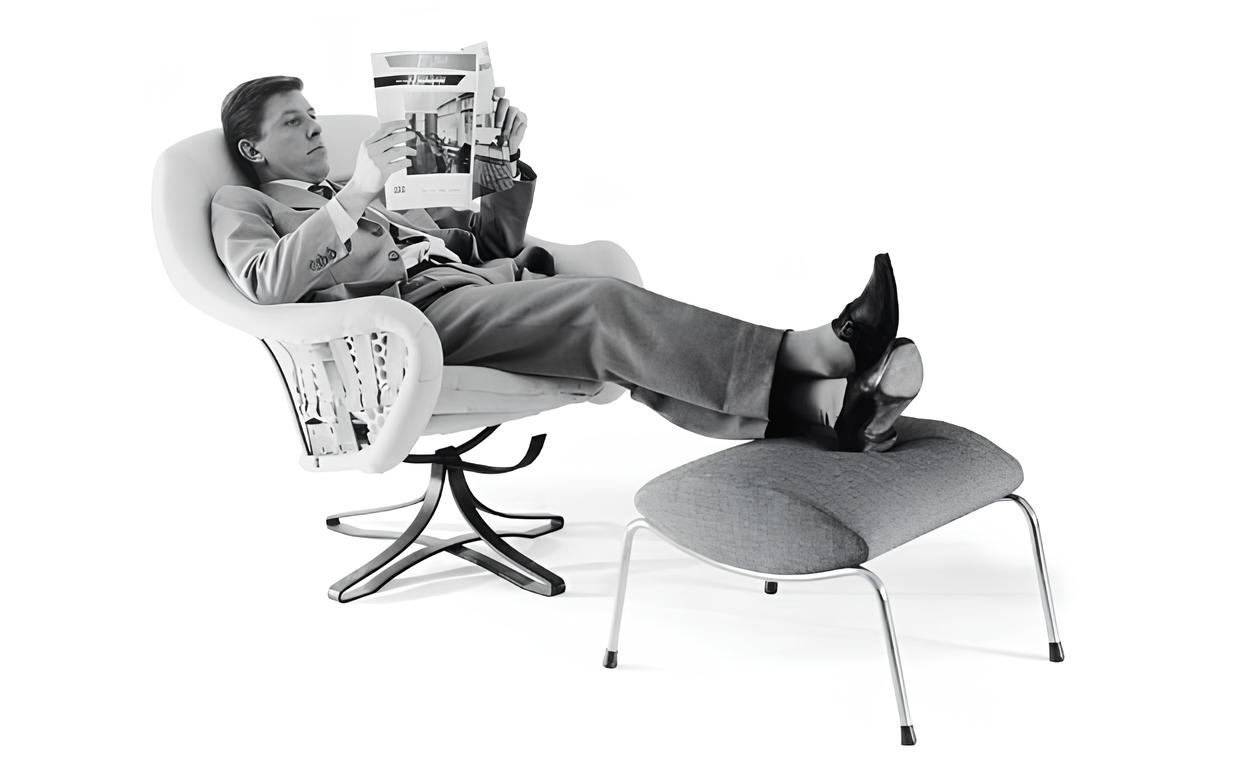
Image from the 1950s
Marco Zanuso, poltrona Martingala, 1952, Arflex.

This was also the decade when design became a recognized profession, leading to the creation of iconic objects that would define an era and inspire generations to come. Furniture like the Antropus Chair and the Leonardo Table by Castiglioni were not only functional but also conveyed the spirit of innovation and simplicity that characterized the period. These pieces remain emblematic of a style that prioritized both beauty and practicality, setting the stage for the evolution of modern interior design.

Go to the 50s Objects Tell me less

Sonntag, Rudy. La nascita del design d'arredo degli anni '50, Design di interni
Annicchiarico, Silvana, ed. 100 oggetti del design italiano: Collezione Permanente del Design Italiano, La Triennale di Milano. Gangemi Editore spa, 2012.

The 1960s

In the 1960s, Italian design was not limited to cars and motorcycles; innovation was also taking place in everyday household items. Products like the television and washing machine became symbols of the era's forward-thinking approach and reflected changing social values. The Algol TV by Zanuso was more than just an appliance; like the radio before it, it became a central fixture in post-war family life, bringing people together in a shared space and contributing to the growth of social interactions and media culture.

Image from the 1960s
The washing machine Candy Pub.

The gradual spread of the washing machine, represented by Gerenziani's Automatic, played a pivotal role in promoting women’s emancipation and advancing gender equality in Italy and around the world. Washing clothes, which had traditionally demanded hours of women’s time, was now simplified, freeing women from this task and enabling them to enter the workforce and engage more actively in public life. These appliances were not only innovations of convenience but also symbols of progress and shifting cultural roles.

Go to the 60s Objects Tell me less

Santi, Elena. Anni sessanta, il design italiano che cambiò la quotidianità. Gazzetta Italia, 22th January 2023. Annicchiarico, Silvana, ed. 100 oggetti del design italiano: Collezione Permanente del Design Italiano, La Triennale di Milano. Gangemi Editore spa, 2012.

The 1970s

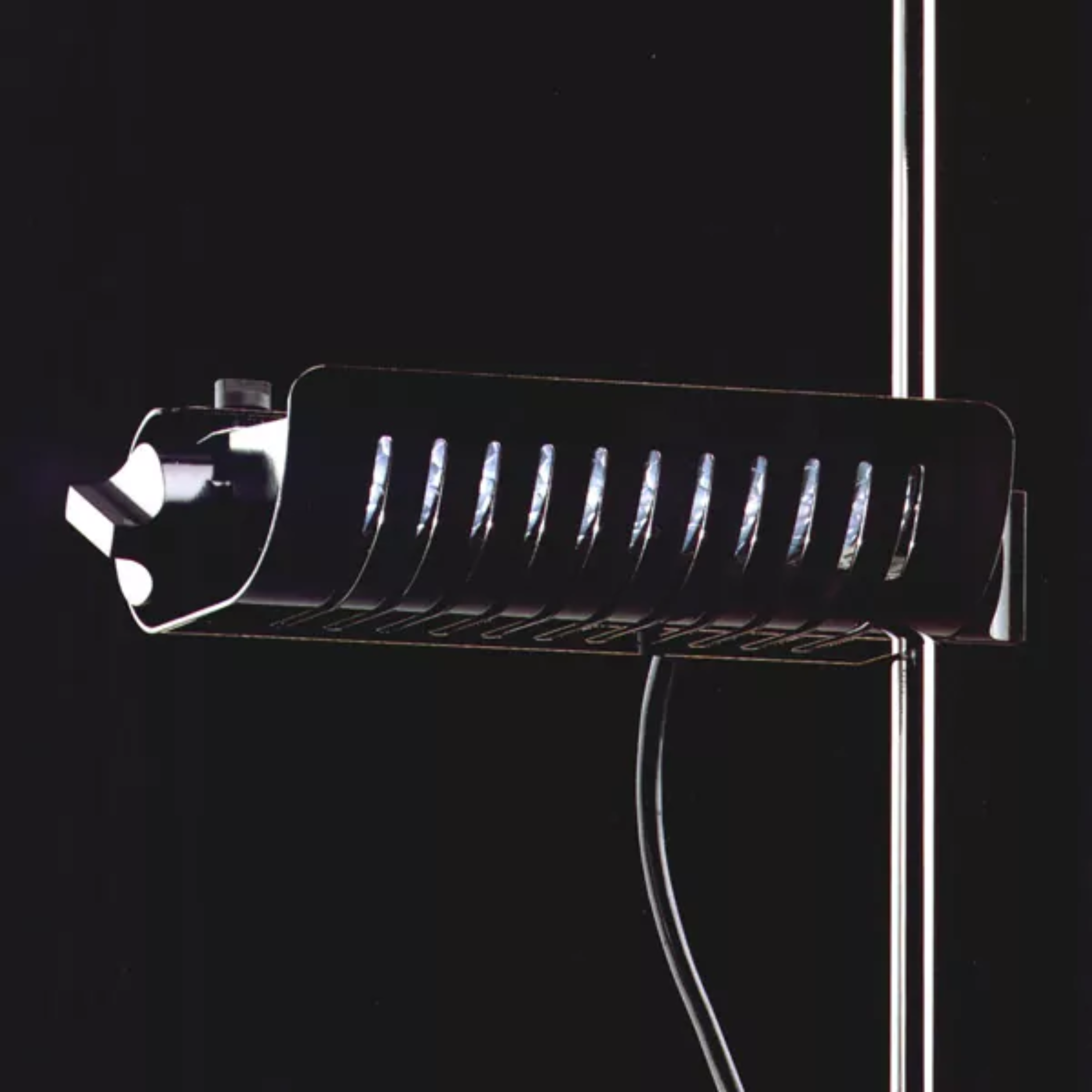
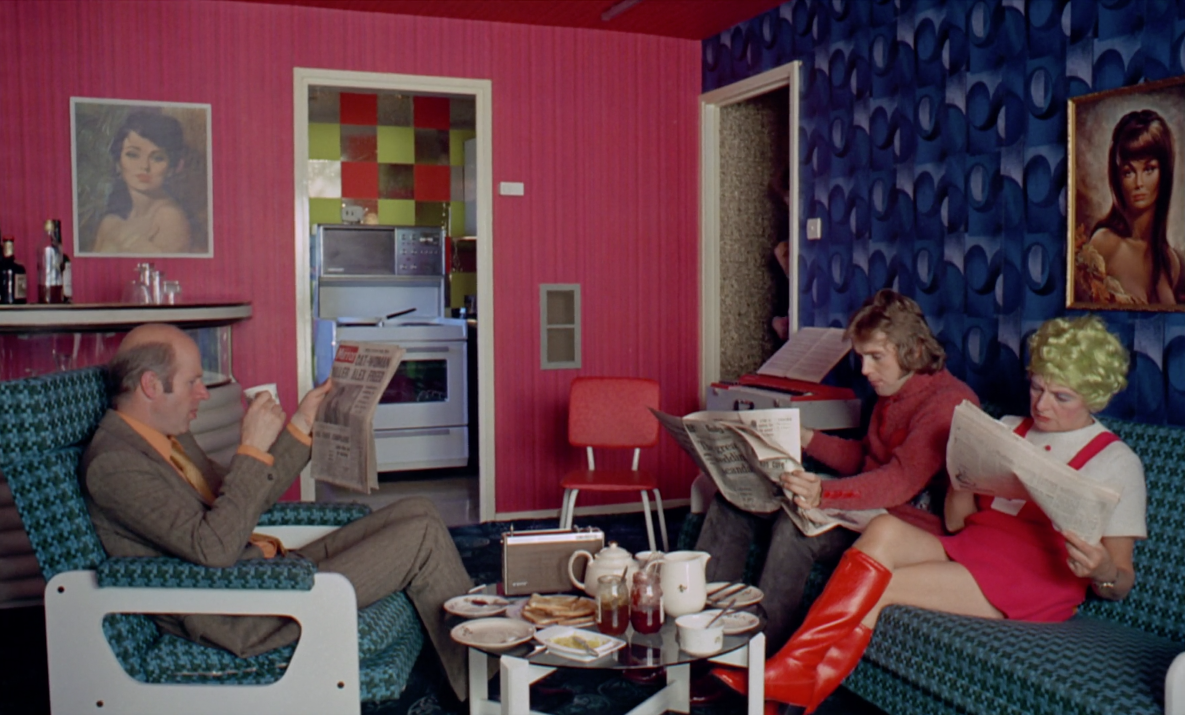
The 1970s brought a shift toward more authentic, personalized, and expressive design. Interiors became eclectic, filled with organic shapes, retro inspiration, and a spirit of individuality that allowed for bold self-expression. Earthy tones and deep jewel hues dominated the color palette, creating spaces that felt warm, inviting, and rooted in nature. Shades of brown, mustard yellow, avocado green, and burnt orange infused interiors with a laid-back yet vibrant energy. Objects like Castiglioni's Linda Sink and Colombo's Optic Clock brought striking form and function into everyday life, while Colombo’s 626 Alogena lamp added a pop of futuristic light to the home.

Image from the 1970s
From the movie A Clockwork Orange, directed by Stanley Kubrick, 1971.

During this time, furniture also became sculptural, as seen in Enzo Mari’s Capitello table and the Shiva vase by Ettore Sottsass. These pieces blurred the line between art and function, embracing unconventional forms that celebrated individuality. With designs like Enzo Mari’s 16 Pesci and Day Night, the home became a canvas for personal expression, inviting creativity and an unstructured style that defined the era.

Go to the 70s Objects Tell me less

Design Time Capsule: Exploring Interior Styles of the 1950s, 1960s, and 1970s. Redecor, 10th Jul 2023.
Lo stile degli anni ‘70 - Postmodernismo individualista. Pib Paris.

The 1980s

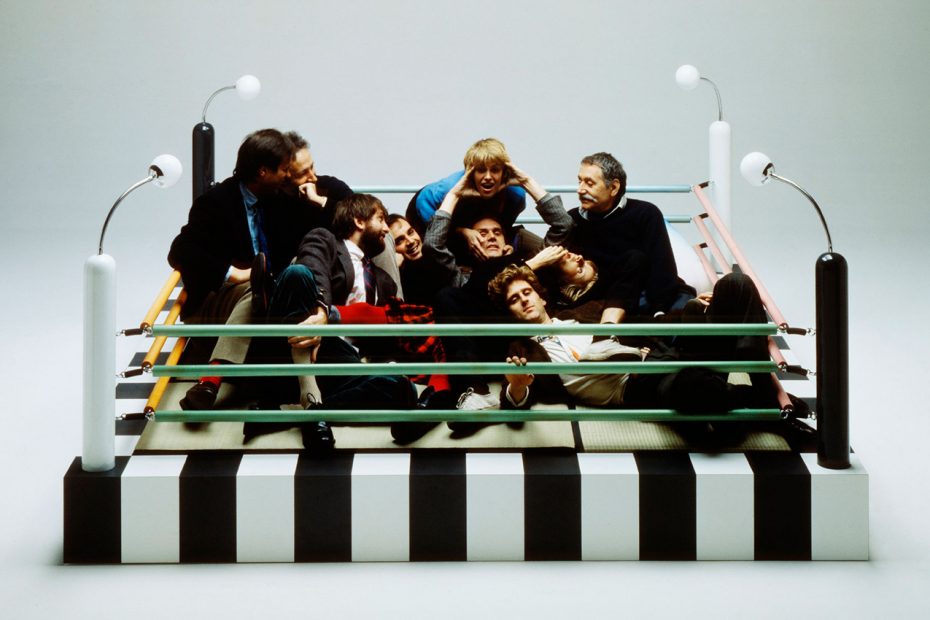
The 1980s were naturally inclined toward genre-blending, an era marked by pivotal historical “breaks,” from the Chernobyl disaster to the protests at Tiananmen Square and the fall of the Berlin Wall in 1989. Design followed this turbulent historical path, mirroring a rebellious spirit with strikingly bold lines and an almost extreme creativity. Though often considered stylistic hedonism, the era’s style was grounded in Post-Avant-Garde principles, focusing on freedom of expression while remaining functional. This approach gave rise to designs that became a coded form of visual communication, with abundant use of new, low-cost materials and a social purpose: to allow individuals to express their identity through their aesthetic choices.

Image from the 1980s
Memphis Milano: The Design Revolution of the 1980s.

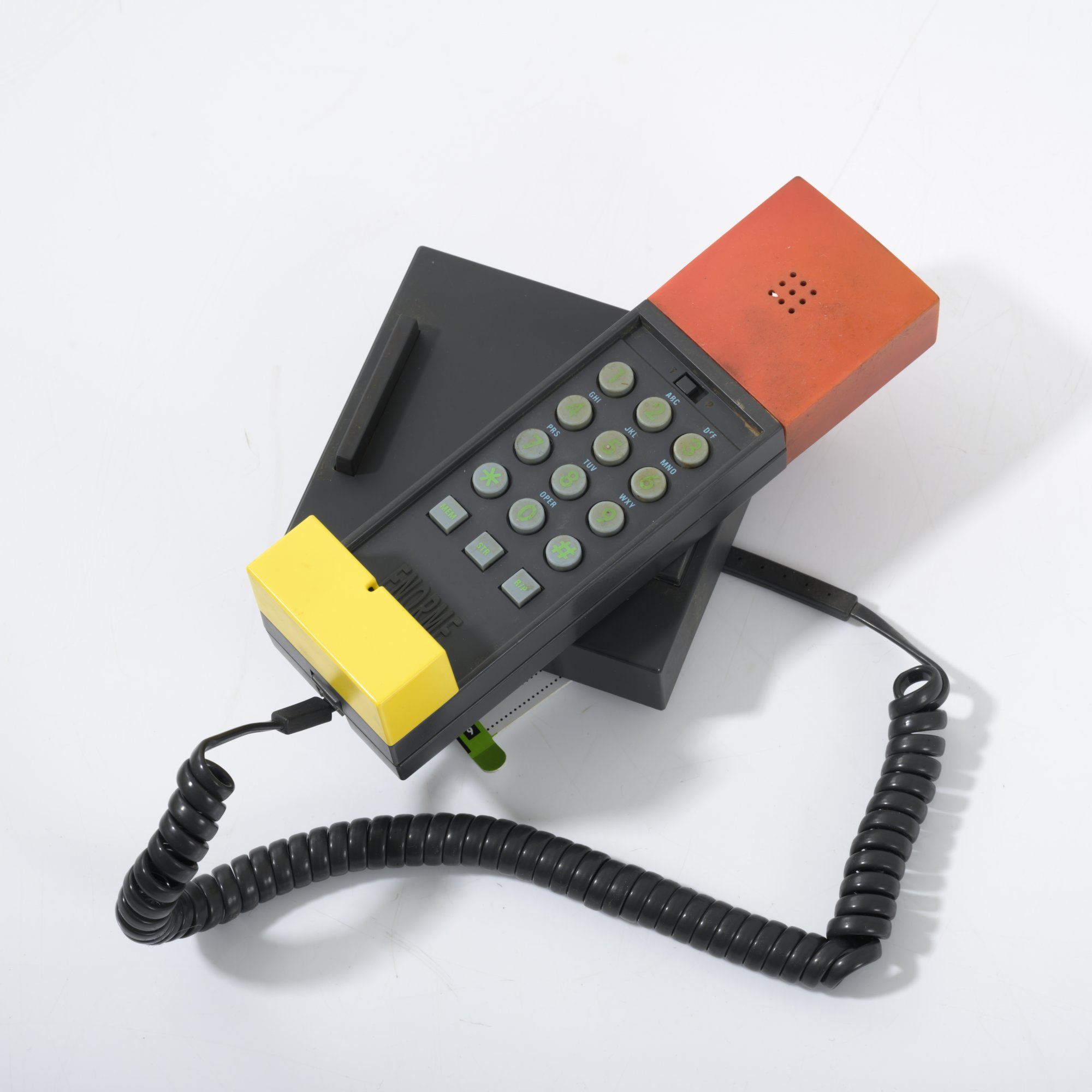
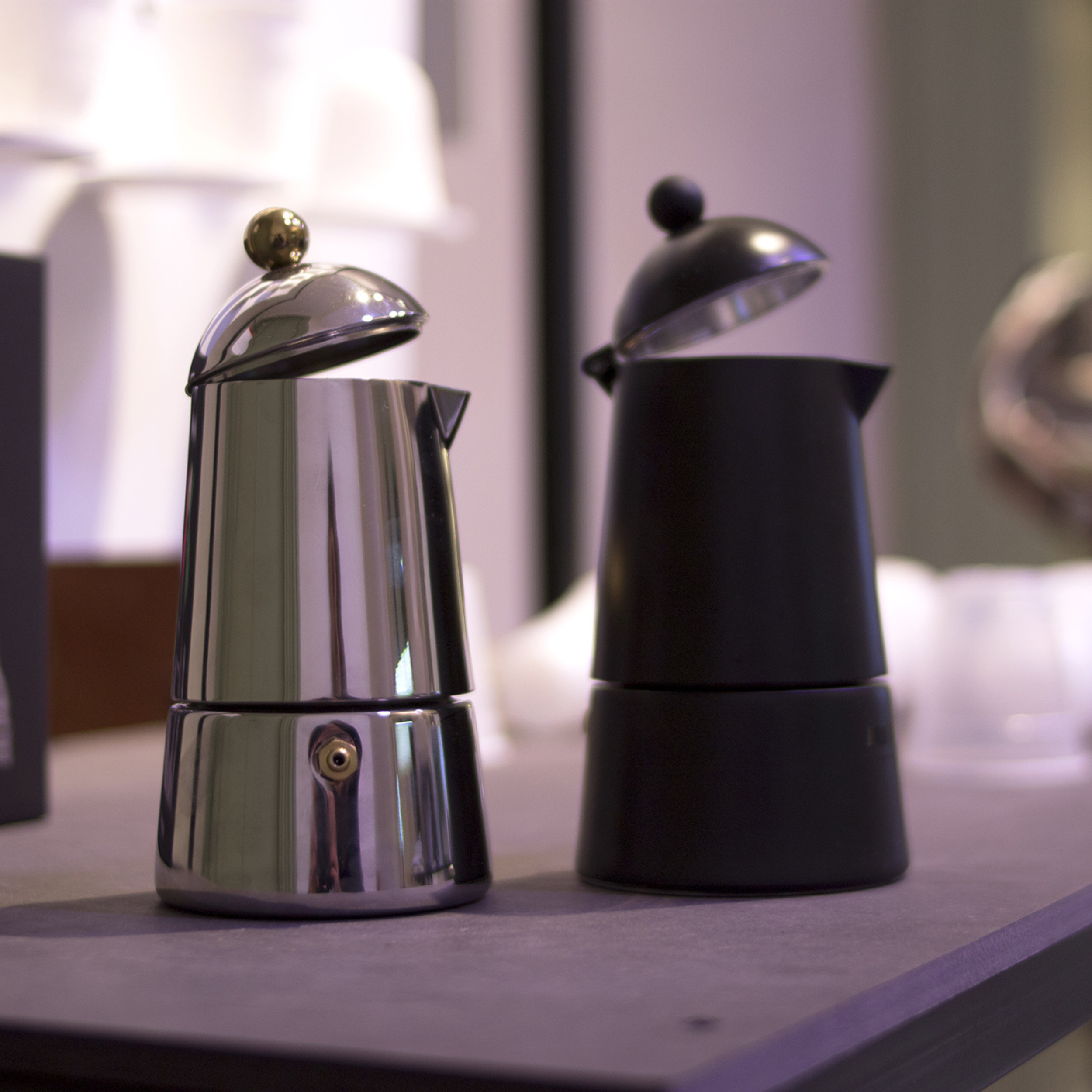
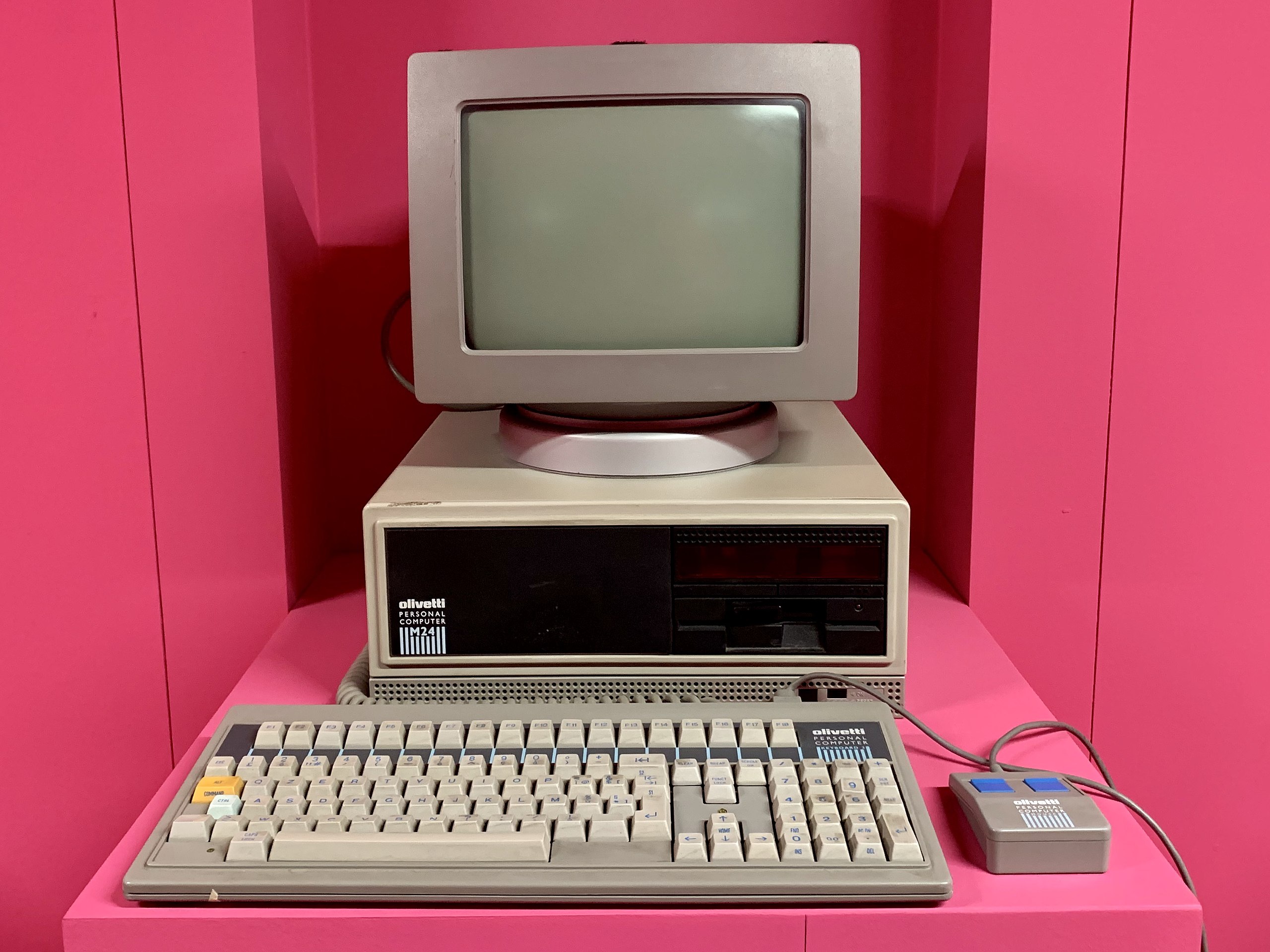
This was a time for daring, for reimagining the home and its spaces. Concepts like the open-plan layout emerged, and kitchens transformed into peninsula-style setups. Pieces like Sottsass’s Enorme telephone and M24 computer became symbols of this daring, while Zanuso’s Carmencita coffee pot and Mari’s Tonietta chair linked modern living to the expressive nature of this design wave. It was a decade of merging fashion with interiors, united by a strong common thread: provocation.

Go to the 80s objects Tell me less

Design anni '80 - tra innovazione e provocazione. La Casa in Ordine, Jan 2022.

The 1990s

The 1990s marked the rise of the internet, widespread mass culture, and a return to industrial production. Large chains began making design accessible to everyone, offering attractive and functional pieces at affordable prices. This was the era of playful, lighthearted objects, yet it also saw a resurgence of minimalism, with furniture that balanced durability with a sense of lightness, where tactile quality became essential.

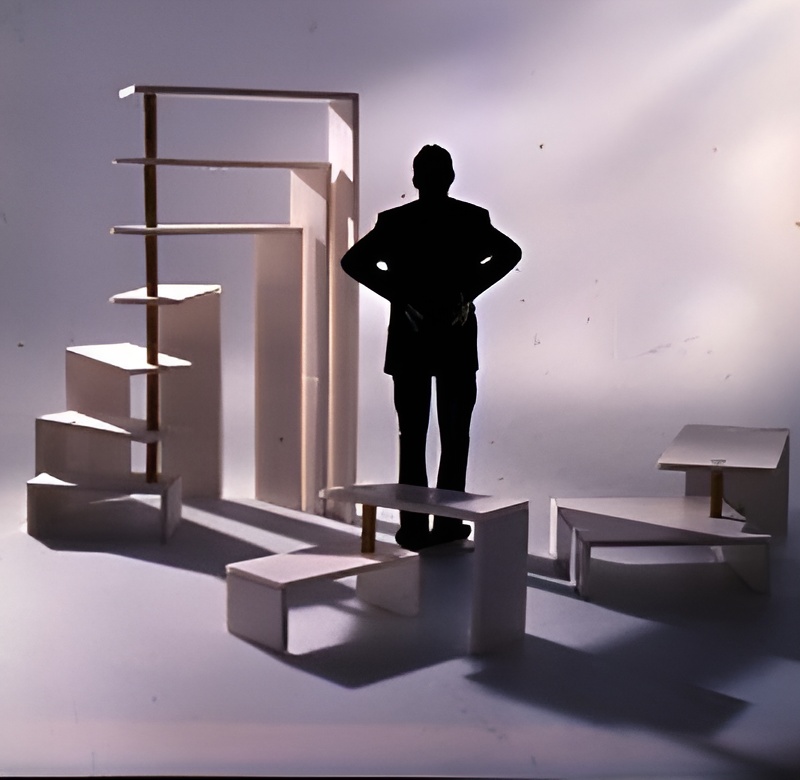
Image from the 1990s
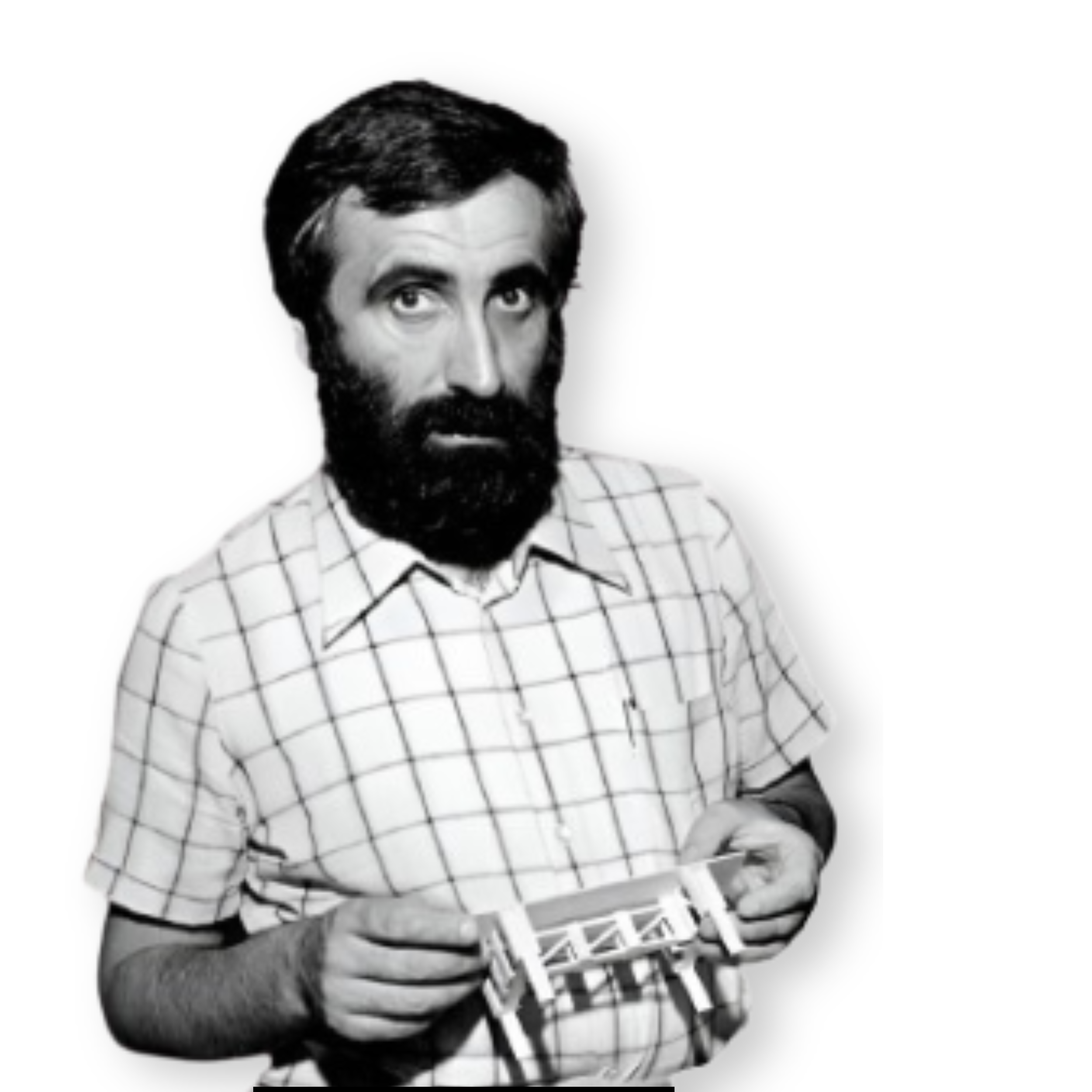
Achille Castiglioni observing his invention, the Joy bookshelf.

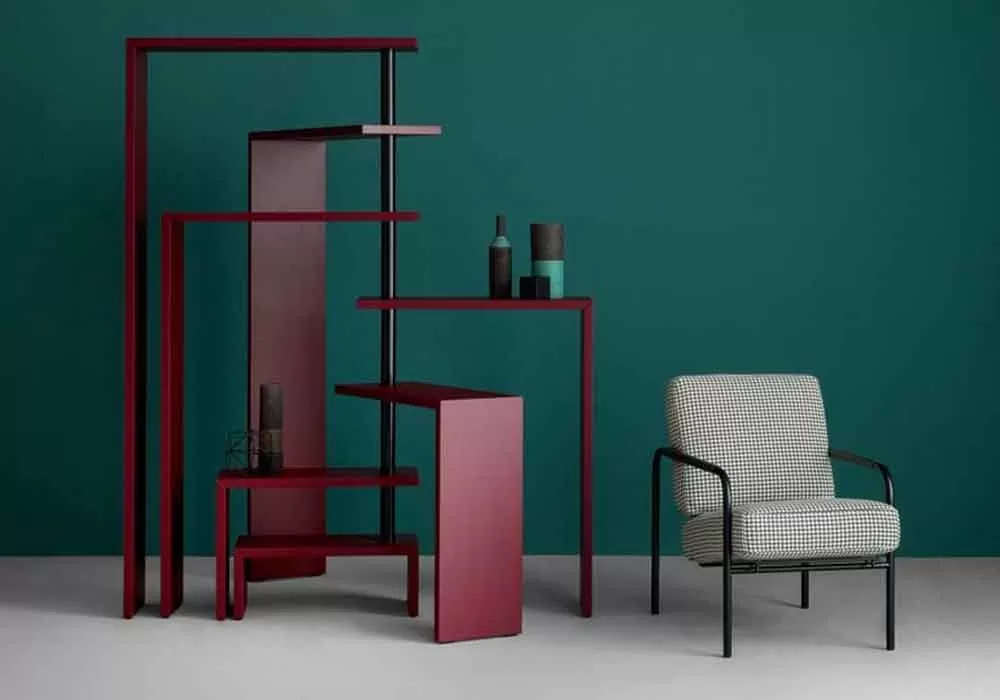
Gone were the excesses and opulence of the '80s, replaced by clean, flexible lines and adaptable forms. Key trends included Asian influences, an abundance of white in kitchen spaces, carpeting, and an emerging concept of “open” spaces. Castiglioni’s Brera and Joy pieces exemplified this shift, bringing sleek, streamlined designs into everyday homes. Additionally, the “country chic” aesthetic gained popularity, mixing natural tones and rustic touches for a comfortable, refined style.

Go to the 90s Objects Tell me less

Design anni '90 - si va verso la sostenibilità. La casa in Ordine, December 2022.
Sample Image
Furniture
Our narrative that groups our items into the furniture group
Go To the Furniture Section
Sample Image
Lights
Our narrative that groups our items into the furniture group
Go To the Lights Section
Sample Image
Appliances
Our narrative that groups our items into the furniture group
Go To the Furniture Narrative

The spaces

Design as a Living Experience

This exhibition is a celebration of Italian design excellence, highlighting the dynamic intersection of form, function, and emotion across four carefully curated spaces: the study, bathroom, living room, and kitchen. Drawing from iconic pieces of the Milan Triennale, the exhibition explores how design shapes everyday life, turning ordinary environments into extraordinary experiences.

Each space tells a unique story about how we live, interact, and find beauty in our surroundings, offering a window into the profound impact of design on daily living. By stepping into each room, you enter a world where creativity meets practicality, where design becomes not just something to admire but to live in.

The spaces

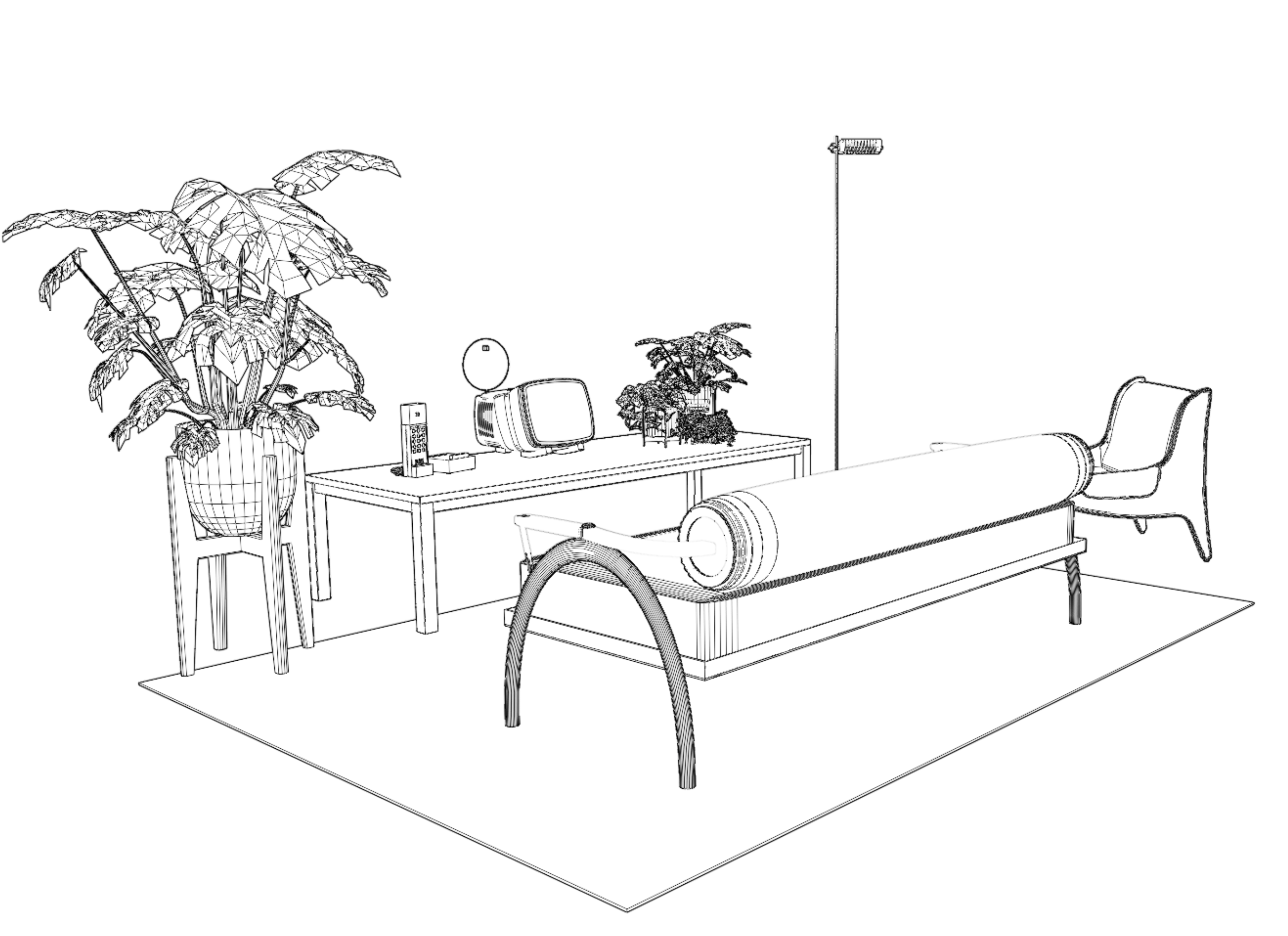
The Living Room

The living room, a hub of social interaction and creativity, combines comfort with avant-garde design. Bold forms like Colombo’s Day Night and Zanuso’s Antropus chair sit alongside tech-forward pieces like the Algol 11 and Sottsass' Enorme, blending art with functionality.

Go to the objects

The spaces

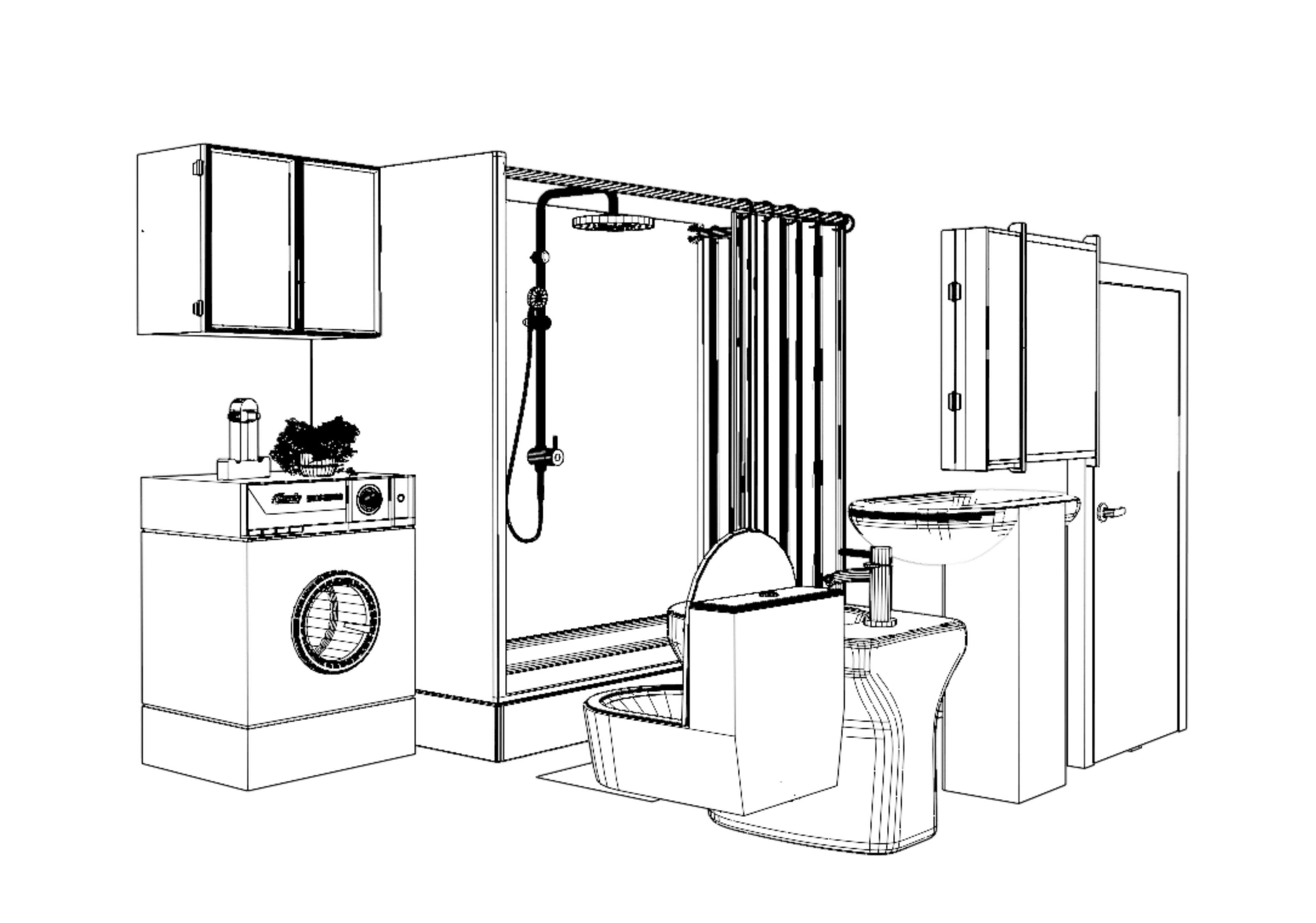
The Bathroom

A space often overlooked in design exhibitions, the bathroom in this collection is a reflection of Italian creativity and modern luxury.

With pieces like Shiva by Sottsass and Linda by Castiglioni, function is merged with beauty, showing that even the most personal spaces in a home deserve attention to detail.

Go to the objects

The spaces

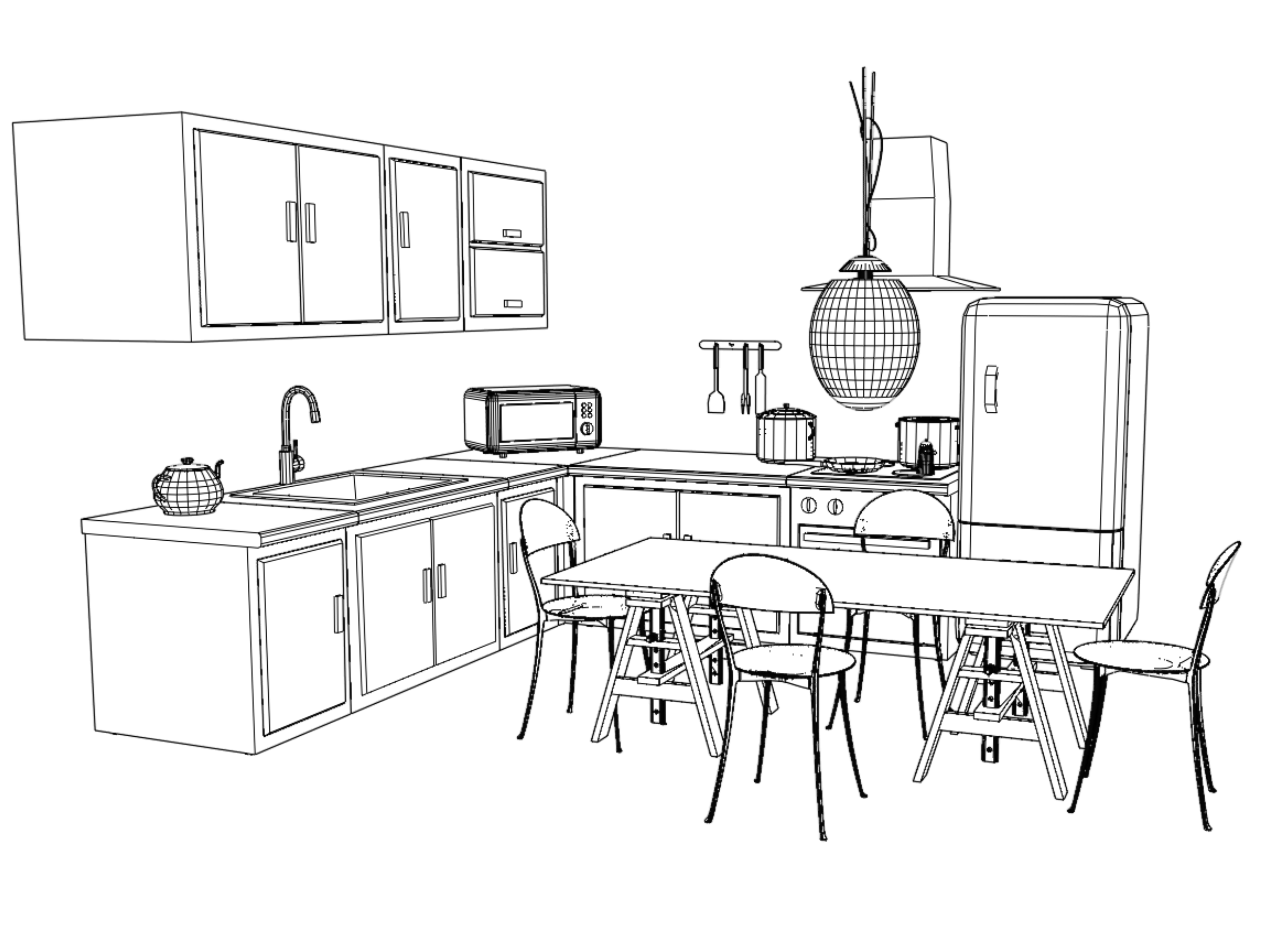
The Kitchen

The kitchen, often the heart of any home, blends tradition and innovation in this exhibition. Featuring pieces like Achille Castiglioni’s Leonardo table and Marco Zanuso’s Carmencita coffee maker, it celebrates Italian craftsmanship and culinary culture, embodying the simplicity and elegance central to Italian life.

Go to the objects

The spaces

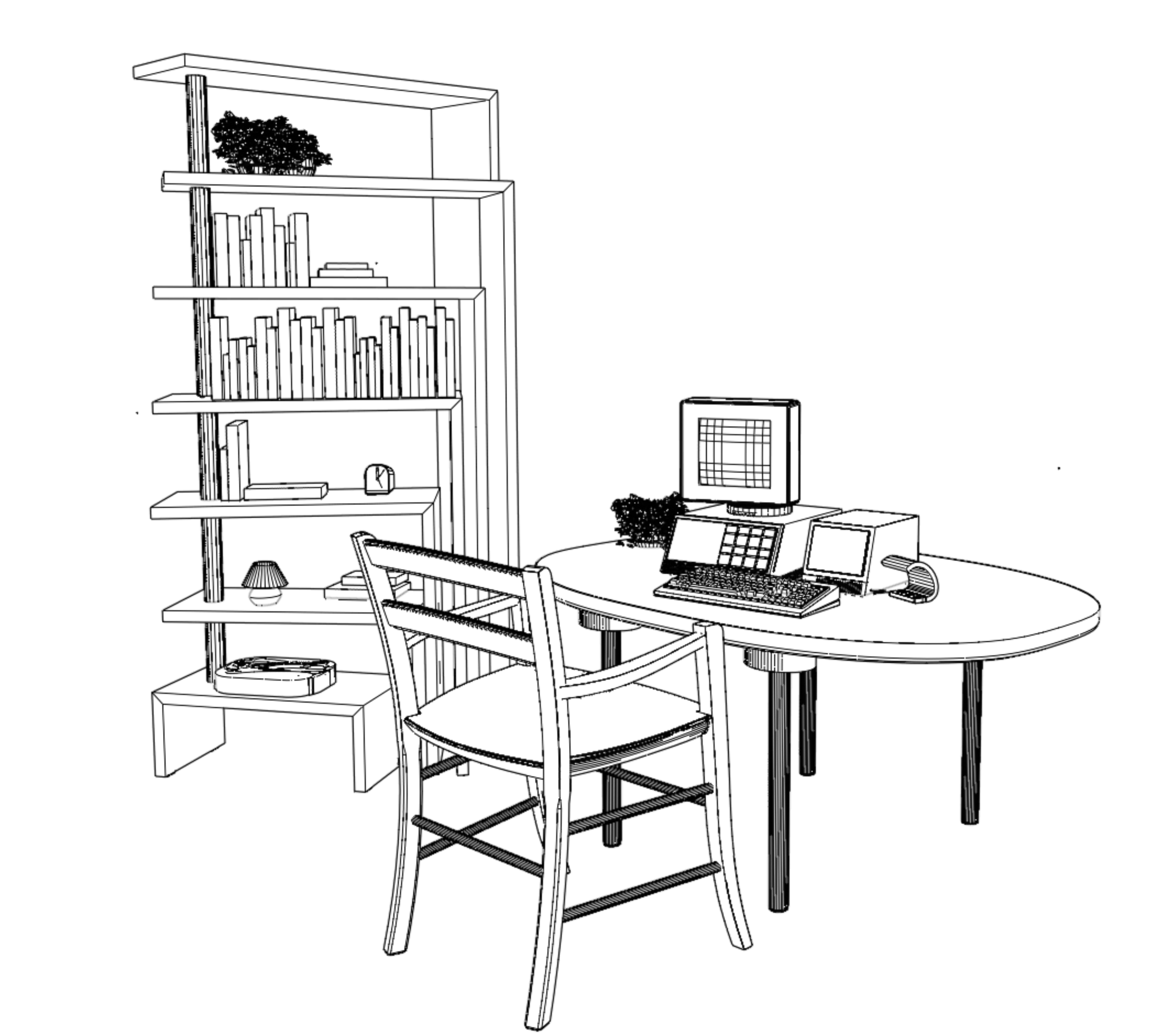
The Study

The study offers a retreat for focus and intellectual engagement.

Featuring iconic items such as Ettore Sottsass’ M24 and Joe Colombo’s Optic, this room combines vintage aesthetics with modern utility, demonstrating how design enhances both the mind and the space it occupies.

Go to the objects